
Erase the identity.
Keep the analysis. Anonymized on input.
Identity disappears as video enters. That is what makes movement, posture, and dwell safe to analyze for operational decisions.
Mechanism
Four steps that erase identity
Not who, but what and how. Anonymizer never blurs the whole frame. It erases only the regions that reveal identity, on input, and leaves every signal analysis needs intact.
- 01Input
- 02Detect identity
- 03Anonymize on input
- 04Forward signal

Find the identity
In every frame, it locates the regions that could single out a person — faces, body shapes, license plates. Not to learn who they are, but to mark what must be erased.
Anonymize on input
Only the identity regions are erased, irreversibly, while the signals analysis lives on — movement, posture, dwell — are preserved. Region by region, so what happened and how stays fully readable.
On-device processing
Computation can finish on edge devices or locally. Raw frames never leave the premises; only the already-anonymized result moves to the next step.
Forward the signal
The anonymized stream and its analytical signals pass to the spatial-intelligence and agent stages. Analysis runs all the way through — the original footage is stored nowhere.
We read information, not identity
The face is erased; the context is read.
Identity is erased beyond recovery; only the minimum features the AI needs to understand the scene are kept. So even on anonymized footage we read gender and age range, movement and posture, attention and dwell — without ever knowing who.
The face is noise. Still readable — age range, gaze, speaking. No identity.
SEAL · Privacy by design
We see what is happening, not who is there.
No original kept
Anonymized at the first step. The original is left nowhere in the system.
No human viewing
No human eye reaches it. The machine sees.
No re-identification
Identity cannot be recovered from anonymized data.
Across Environments
Any space — only identity is erased
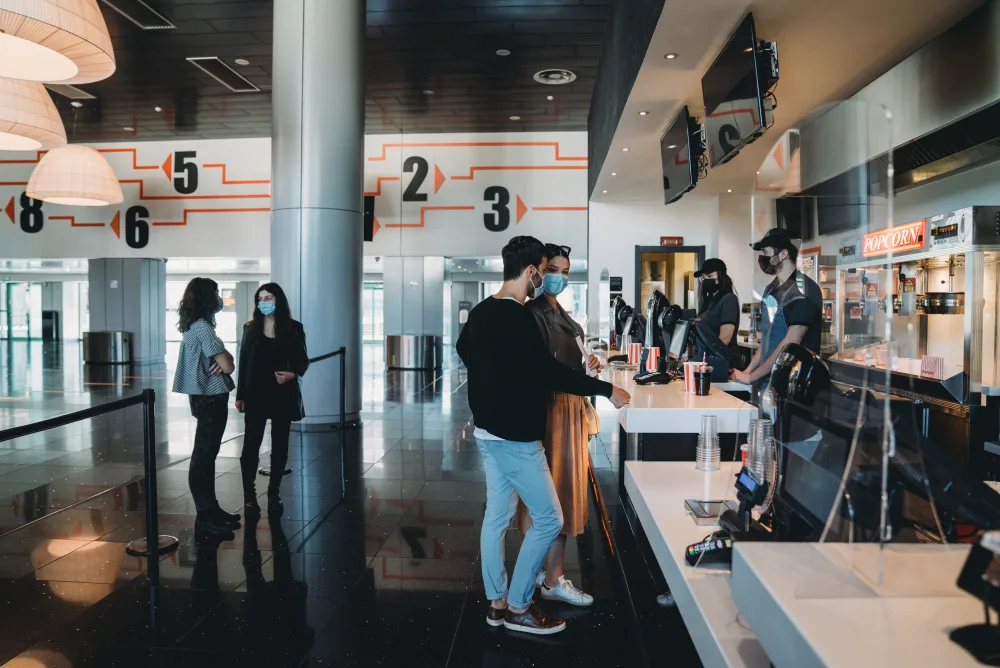
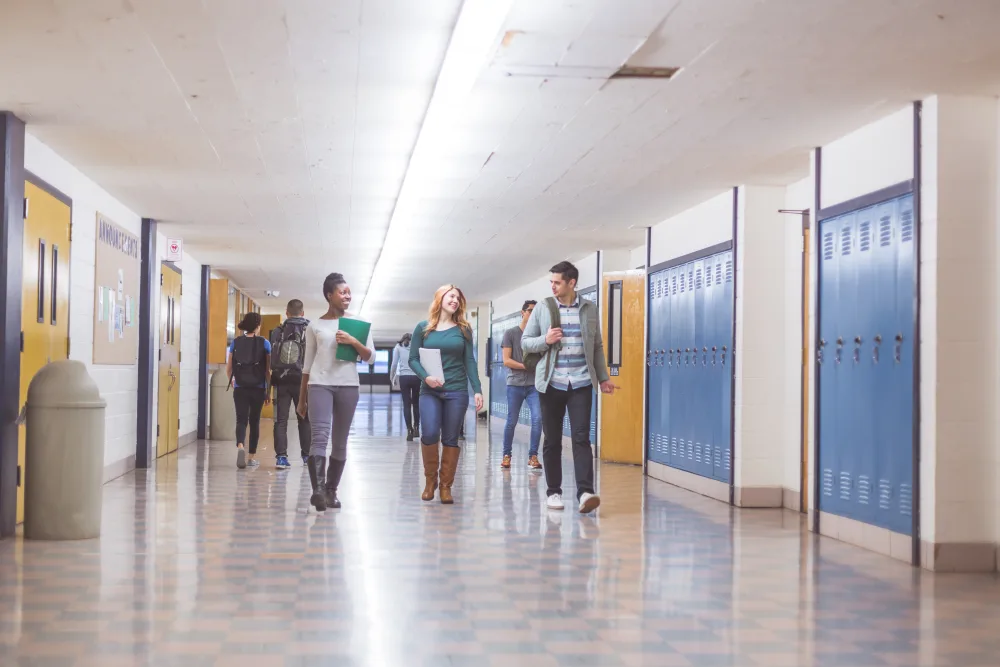
It works the same way across very different environments — factories, hospitals, cinemas, schools. People are anonymized while the space and the situation stay readable. Drag the handle to compare with the original.






1 / 4
Why not the usual way
The dilemma of conventional de-identification
Masking and blur destroy the data's value; face-swapping is hard to verify; using the original leaves risk behind. SEAL avoids all three — identification made impossible, analysis kept at original-grade.
| Legal compliance | Data utility | De-ID accuracy | |
|---|---|---|---|
| Use original | Falls short | Meets | Falls short |
| Masking & blur | Partial | Falls short | Partial |
| Face swap | Partial | Partial | Falls short |
| SEAL | Meets | Meets | Meets |
Specification
Specification overview
| Item | Detail |
|---|---|
| Input | RTSP / file / frame stream |
| Processing unit | Identity regions within a frame |
| Preserved signal | Movement, posture, dwell, density |
| Erased | Identity such as faces, body shapes, plates |
| Deployment | Edge / on-premises / server |
| Original footage | Never stored |
| Integration | Spatial-intelligence and agent stages |
The values above describe the configurable range; actual specifications vary with the deployment environment.
FAQ